

Laminated glass for buses: how a laminated composite structure ensures travel safety
Many people have a question about how laminated glass differs from tempered glass during vehicle operation. Laminated glass has a composite structure: two sheets of glass are firmly connected by a functional PVB film. Even if the glass cracks due to a strong impact, the fragments remain on the intermediate film and do not separate from it and do not fly apart. This effectively protects the occupants in the event of a vehicle rollover or collision.
Buses are used intensively to transport passengers, so for certain areas of glazing that are important for safety, preference is given to laminated safety glass. In addition to its basic protective properties, high-quality laminated glass blocks most of the ultraviolet radiation, slowing down the aging of the interior trim in direct sunlight. Some acoustic types of laminated glass can also reduce cabin noise and improve passenger comfort.
Xuchang Jingge Glass Company has fully equipped a specialized laminated glass production line. The products have passed a number of certification tests and have certificates, including ECE R43, DOT and 3C. The company can produce custom laminated glass for buses, locomotives and construction equipment. It has accumulated over 20 years of experience in the industry, has cooperated with more than twenty Chinese automobile manufacturers, and has fine-tuned the entire process from sample production to large-scale delivery.
Latest news
Connect
Email mail: jinggerautoglass@hotmail.com
Phone: +86-13295047575
Address: China, Henan Province, Xuchang City, Jian'an District, Jiangliji Township, Kouzhuang Industrial Park
Online time: 8:30 AM - 5:30 PM
Related news
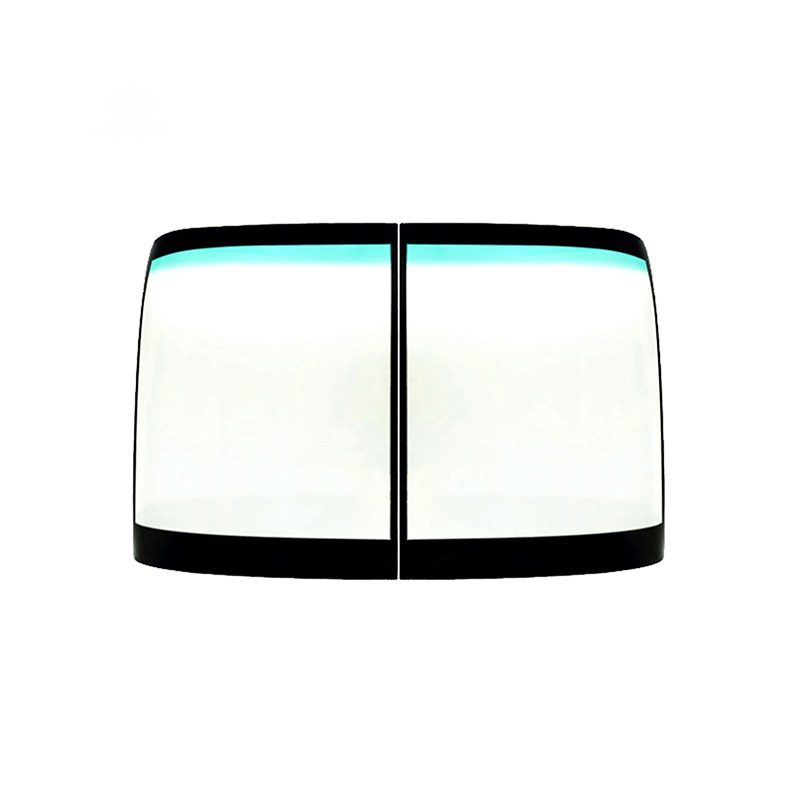
Over twenty years of supplying vehicle glazing: production capabilities for various orders in China and abroad
Safety glazing is one of the key components of motor vehicle safety. Its production places high demands on line equipment, technological experience...
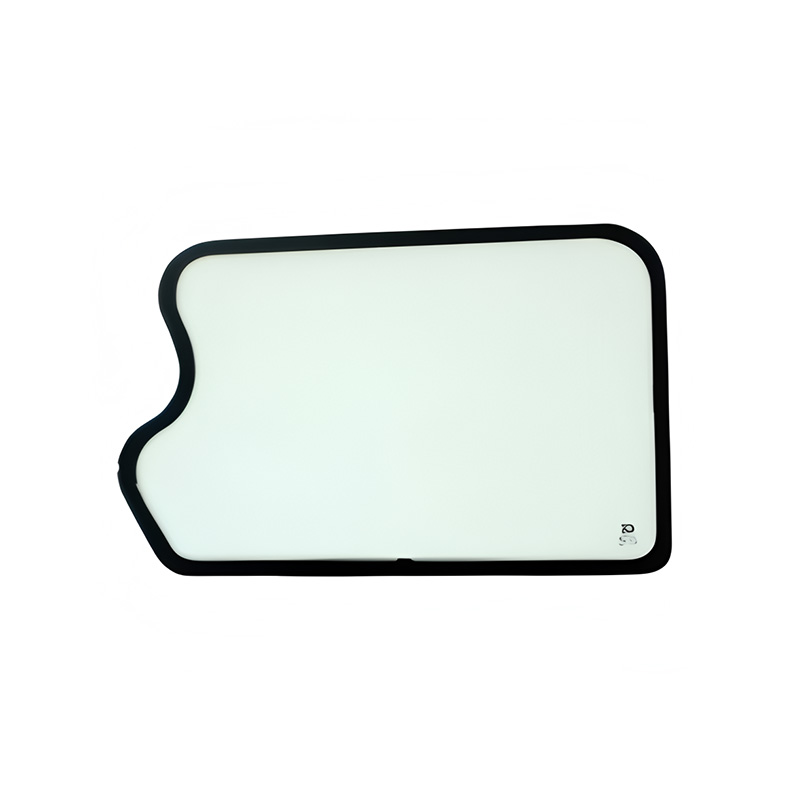
What to consider when developing custom glazing for construction equipment cabins
Construction equipment is used in difficult conditions, and the glazing of cabins most often consists of non-standard parts of complex shapes. When designing individually, it is important to consider a number of details. Pre...
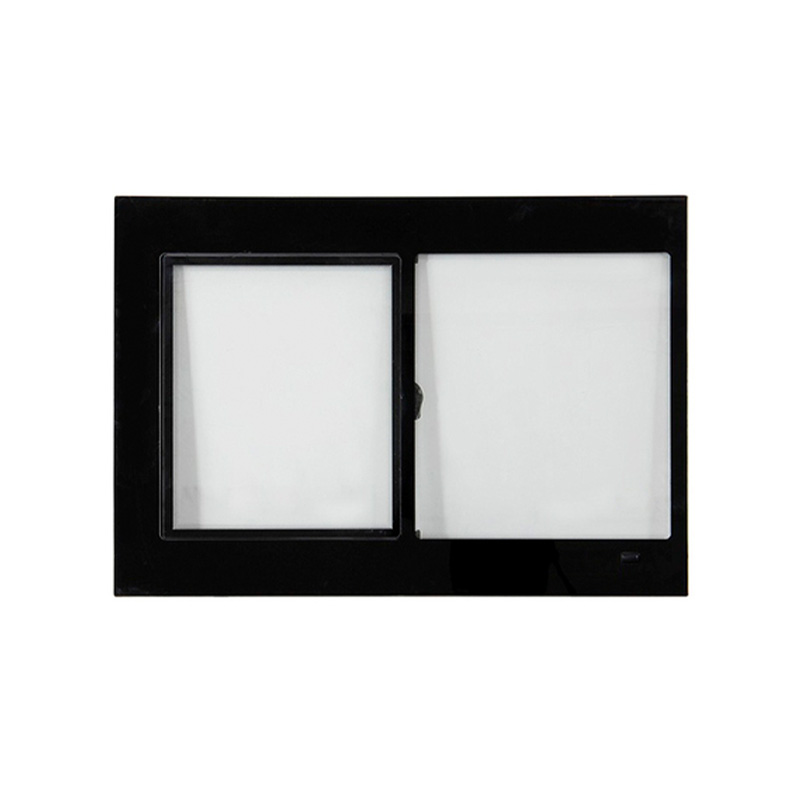
Sliding bus window assembly: the production of the entire assembly requires more than glass production
The bus sliding window assembly includes tempered safety glass, aluminum alloy frame, tracks and seals. Many buyers pay attention only to the certification of glass...
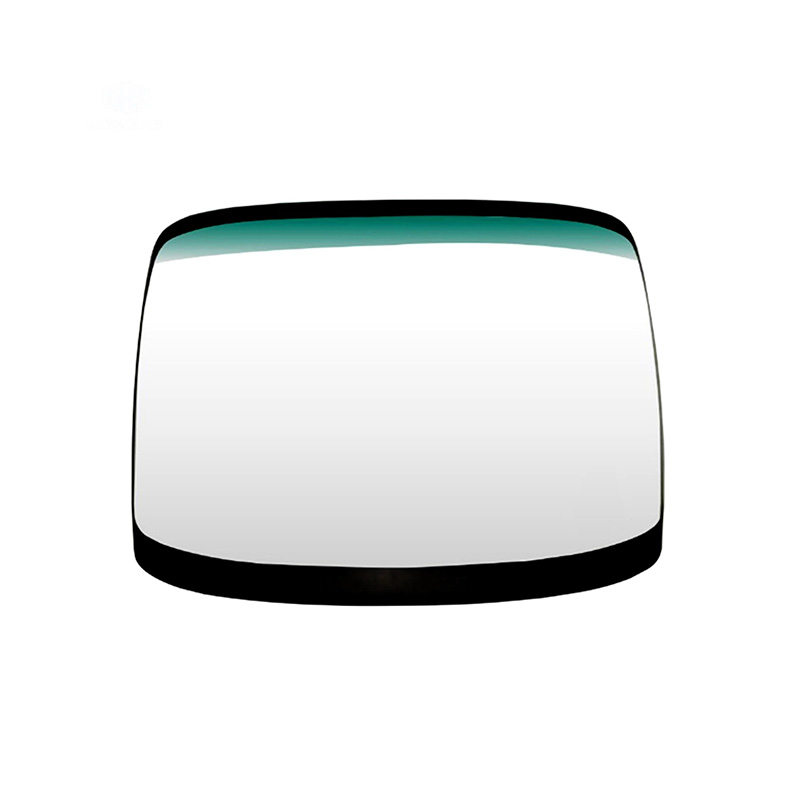
What is important for deliveries within foreign projects besides product quality?
Many component suppliers produce safety glazing that meets the established requirements, but still face difficulties when implementing overseas projects. Besides the characteristics...
How different types of vehicle glass break down and why they are designed this way
Many users wonder why some vehicle windows, when destroyed, remain as a single sheet, while others crumble into small particles. The difference is due to the design...
How vehicle glass manufacturers can take into account the different requirements in global markets
Today, Chinese manufacturers of vehicle components operate both in the domestic market and in the markets of Europe, North America, Southeast Asia, Africa and the Middle East. Nor...